Q1: Can HYTOPTODEVICE 10G DWDM SFP+ module deliver stable 80km transmission over outdated aged fiber lines?
A1: Our HYTOPTODEVICE 1553.33nm C30 10G DWDM SFP+ module adopts high-gain APD receiver with abundant optical power budget reserve. We simulate various aging fiber attenuation scenarios during factory testing, allowing the module to hit full 80km transmission range steadily even on old fiber cables with accumulated loss and minor defects. Its built-in anti-chromatic dispersion design keeps bit error rates low, supporting reliable long-haul transmission for reconstructed metro legacy fiber networks.
Q2: Does the receiving chip of this C30 10G DWDM SFP+ module have enough sensitivity to capture weakened optical signals?
A2: This carrier-grade 10G DWDM SFP+ module is equipped with industrial high-sensitivity APD receiving core with optimized signal receiving threshold. Even after long-distance fiber attenuation leads to faint optical signals, the chip can accurately identify low-power light signals without signal loss or sudden link dropouts, perfectly matching complex field network environments with unstable fiber loss.
Q3: How steady is the central wavelength output of HYTOPTODEVICE 10G DWDM SFP+ module after long-term continuous running?
A3: Every 1553.33nm C30 10G DWDM SFP+ module is integrated with TEC constant temperature locking system and undergoes precise wavelength calibration before delivery. The intelligent temperature control unit stabilizes laser operating temperature in real time, effectively suppressing central wavelength drift caused by long-term heating and component aging. Long-term reliability tests prove its wavelength deviation stays within ITU standard limits, eliminating cross-channel crosstalk risks inside multi-channel DWDM racks.
Q4: Is this 10G DWDM SFP+ module compatible with standard fixed-wavelength DWDM Mux and Demux passive devices?
A4: This 1553.33nm C30 10G DWDM SFP+ module strictly follows ITU standard 100GHz grid wavelength specifications, realizing plug-and-play matching with all mainstream fixed-wavelength multiplexers and demultiplexers on the market. Each unit passes independent channel matching inspection in our factory, featuring accurate channel positioning without extra signal attenuation or cross-channel interference during multi-wavelength multiplexing, adapting to all conventional fixed-grid DWDM networking topologies.
Q5: Will this 10G DWDM SFP+ module trigger false DDMI diagnostic alerts on enterprise network management systems?
A5: HYTOPTODEVICE carries out targeted optimization on DDMI digital diagnostic firmware for the 1553.33nm C30 10G DWDM SFP+ module, collecting real-time accurate data such as transmit optical power, receive optical power, internal temperature and laser bias current. The built-in intelligent data filtering algorithm automatically filters transient abnormal data fluctuations, completely eliminating false warning pop-ups on all brand and third-party NMS platforms, ensuring accurate and trustworthy long-term network monitoring data.
Q6: What is the maximum power consumption value of this C30 channel 10G DWDM SFP+ module under full-load operation?
A6: Our 1553.33nm C30 10G DWDM SFP+ module adopts low-power optimized laser and chip architecture, with peak power consumption strictly controlled under full-load working state. The whole module complies with SFP+ MSA power supply specification limits, and will not bring excessive power load to switch slots even under 24/7 non-stop operation, avoiding abnormal power protection shutdown of network equipment in dense rack deployment scenes.
Q7: Will this 10G DWDM SFP+ module overheat when deployed in a fully populated 48-port switch?
A7: The 1553.33nm C30 10G DWDM SFP+ module integrates independent TEC active heat dissipation and intelligent over-temperature protection circuit. Even in fully loaded 48-port switches with insufficient cabinet air circulation, the module will automatically reduce laser operating power to lower heat output once temperature surges. This design prevents internal optical chip burnout caused by long-term heat accumulation and guarantees stable round-the-clock operation.
Q8: What complete testing procedures will each 10G DWDM SFP+ module pass before factory delivery?
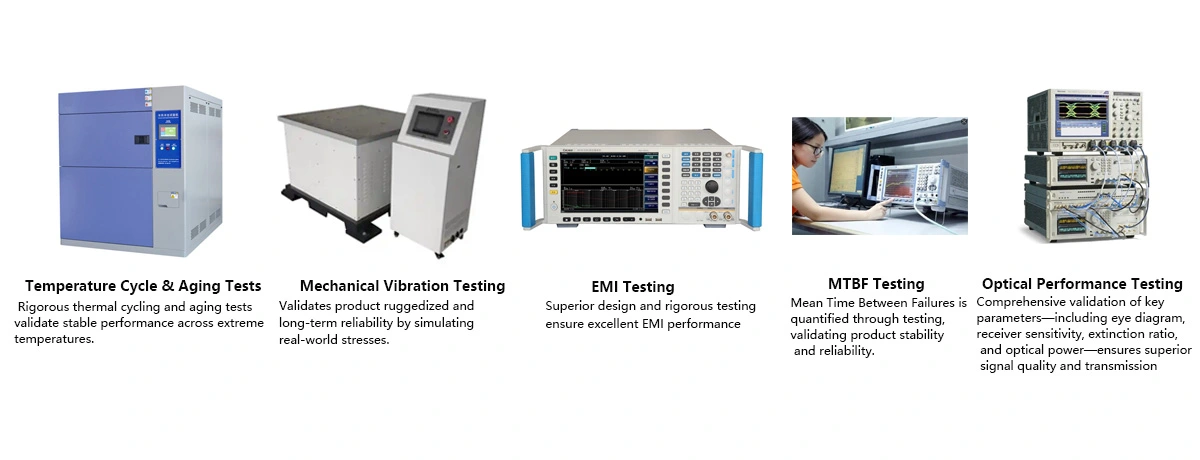
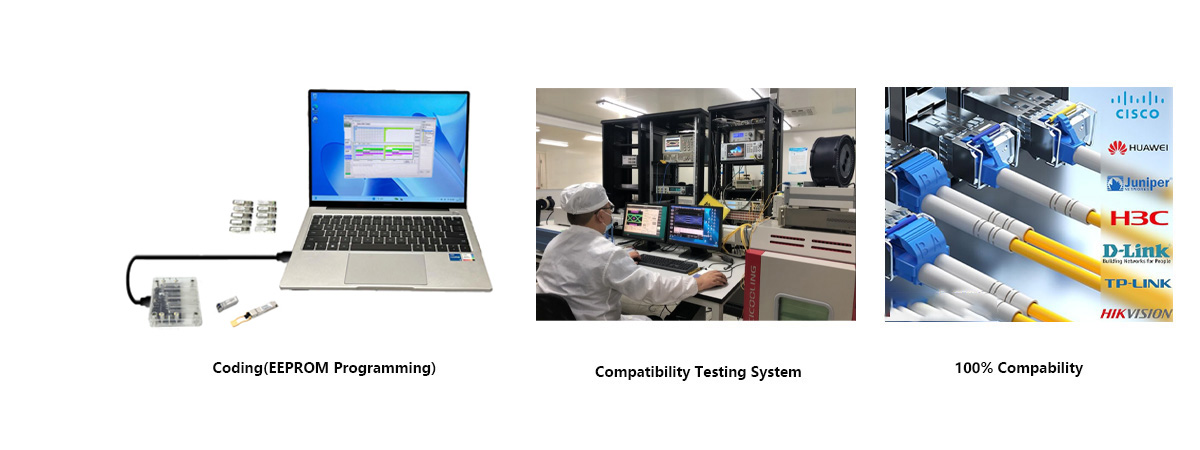
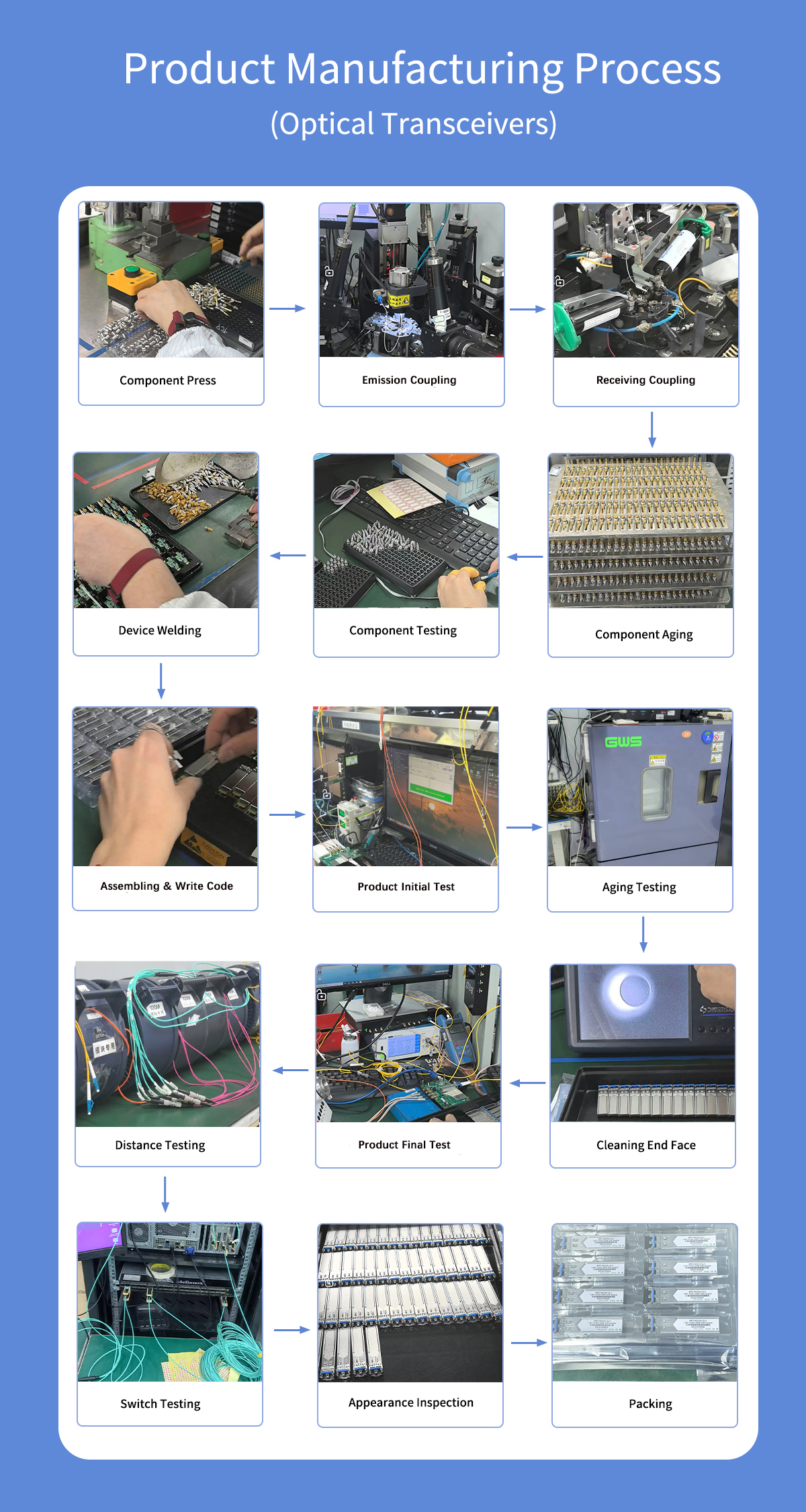
A8: All HYTOPTODEVICE 1553.33nm C30 10G DWDM SFP+ modules go through a full set of multi-stage standardized testing flows before shipment, including wavelength calibration, photoelectric performance inspection, high-low temperature cycle aging, 80km link simulation, repeated plugging durability test and multi-brand equipment compatibility verification. We retain complete test records for every single product and can provide official product quality reports for all bulk order customers.
Q9: Are the LC connectors of this long-reach 10G DWDM SFP+ module tight enough to avoid accidental fiber disconnections?
A9: This 1553.33nm C30 10G DWDM SFP+ module adopts upgraded industrial reinforced snap-lock LC connectors with high-tension buckle design. Its firm clamping force can resist equipment vibration, cable pulling and daily cabinet movement, effectively preventing poor contact and unexpected fiber cable disconnection during multi-year uninterrupted network operation.
Q10: Are there any hidden charges for dedicated EEPROM coding or reprogramming tools for this 10G DWDM SFP+ module?
A10: HYTOPTODEVICE provides free customized EEPROM dual-vendor coding and firmware rewriting services for all bulk orders of 1553.33nm C30 10G DWDM SFP+ module. We never charge hidden service fees, tool rental fees or calibration surcharges for brand adaptation programming work. Our internal compatibility lab is equipped with full sets of professional reprogramming equipment, and all coding adjustment services are included in the original product price without extra costs.
Q11: Is an optical attenuator required for short-distance testing links when using this 10G DWDM SFP+ module?
A11: For test links shorter than 10km, users need to install 15–20dB optical attenuators when deploying this 1553.33nm C30 10G DWDM SFP+ module. Excessive optical power on short spans will lead to APD receiver saturation, resulting in signal distortion and permanent damage to the receiving chip. Matching attenuators stabilize input optical power, maintain consistent transmission quality and extend the overall service life of the module.