Q1: What is a 100G QSFP28 Single Lambda DR transceiver for Cisco data center networking?
A1: It is a high-performance single-wavelength 100G QSFP28 short-reach transceiver tailored for Cisco network devices. Adopting advanced PAM4 modulation technology, it simplifies traditional multi-channel optical structures. Our HYTOPTODEVICE 100G DR module delivers higher stability and lower power consumption, supporting 500m stable transmission for modern data center leaf-spine architecture and 100G-to-400G network migration.
Q2: Which industry standard specification does Cisco-compatible 100G DR transceiver comply with?
A2: Our 100G DR transceiver strictly follows IEEE 802.3cd and QSFP28 MSA international industry standards, plus RoHS environmental certification. Every product is calibrated and tested per official specifications. It ensures full standard compliance, universal compatibility and long-term stable commercial operation, avoiding non-standard module operation risks.
Q3: What optical chip technology does premium 100G DR single lambda transceiver adopt?
A3: Our Cisco-compatible 100G DR module adopts high-quality DML direct modulated laser chip technology. Compared with ordinary EML and silicon photonics solutions, it features lower power consumption, stronger anti-interference capability and more stable PAM4 signal output. It effectively reduces long-term bit error rates and adapts to 24/7 high-load data center operation.
Q4: Where to deploy 100G DR transceiver in modern data center network topology?
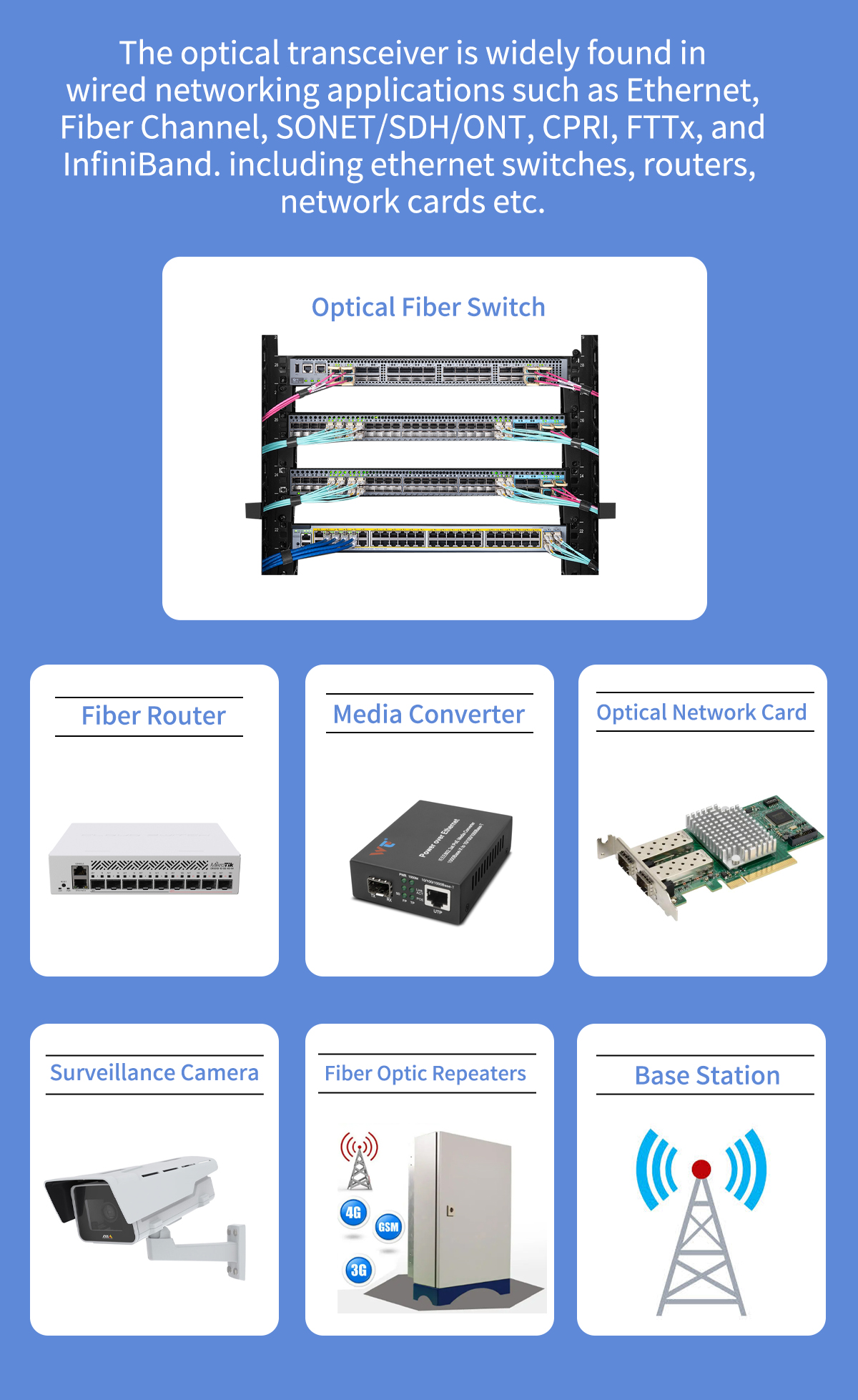
A4: This 500m short-reach 100G DR module is mainly deployed for indoor data center leaf-spine interconnection, core switch trunk uplinks, and ToR switch-to-server cluster uplinks. It also serves as the core hardware for phased 100G-to-400G network breakout migration. It perfectly matches mainstream cloud data center topological layout requirements.
Q5: Can 100G single lambda DR modules interoperate with CWDM4/PSM4 legacy 100G modules?
A5: No cross-interoperability is supported. 100G DR adopts single-lambda PAM4 modulation, while CWDM4 and PSM4 rely on traditional multi-wavelength transmission mechanisms. Different signal modes and optical structures cannot establish valid links. Our matching 100G DR end-to-end deployment ensures flawless network transmission.
Q6: Will third-party compatible 100G DR modules trigger vendor error alarms on Cisco switches?
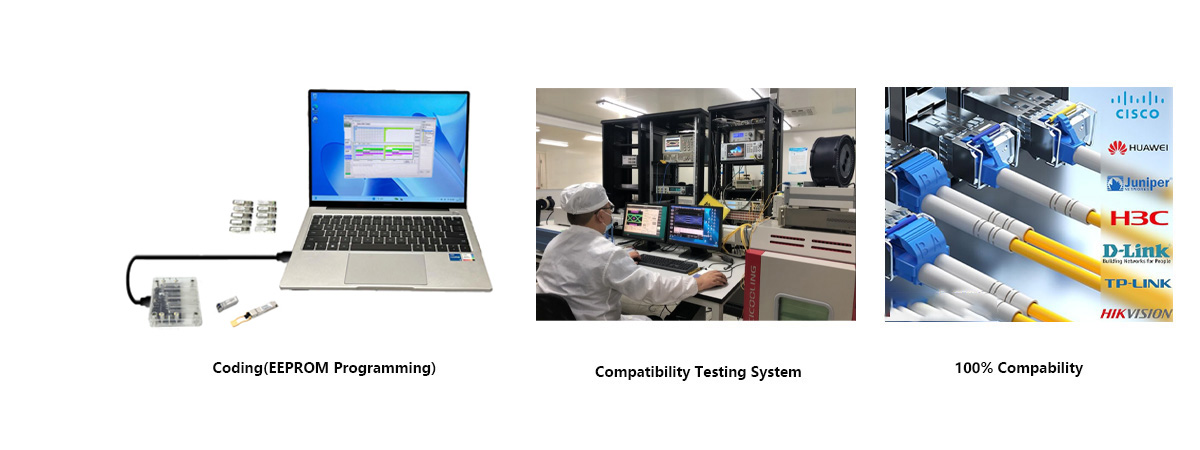
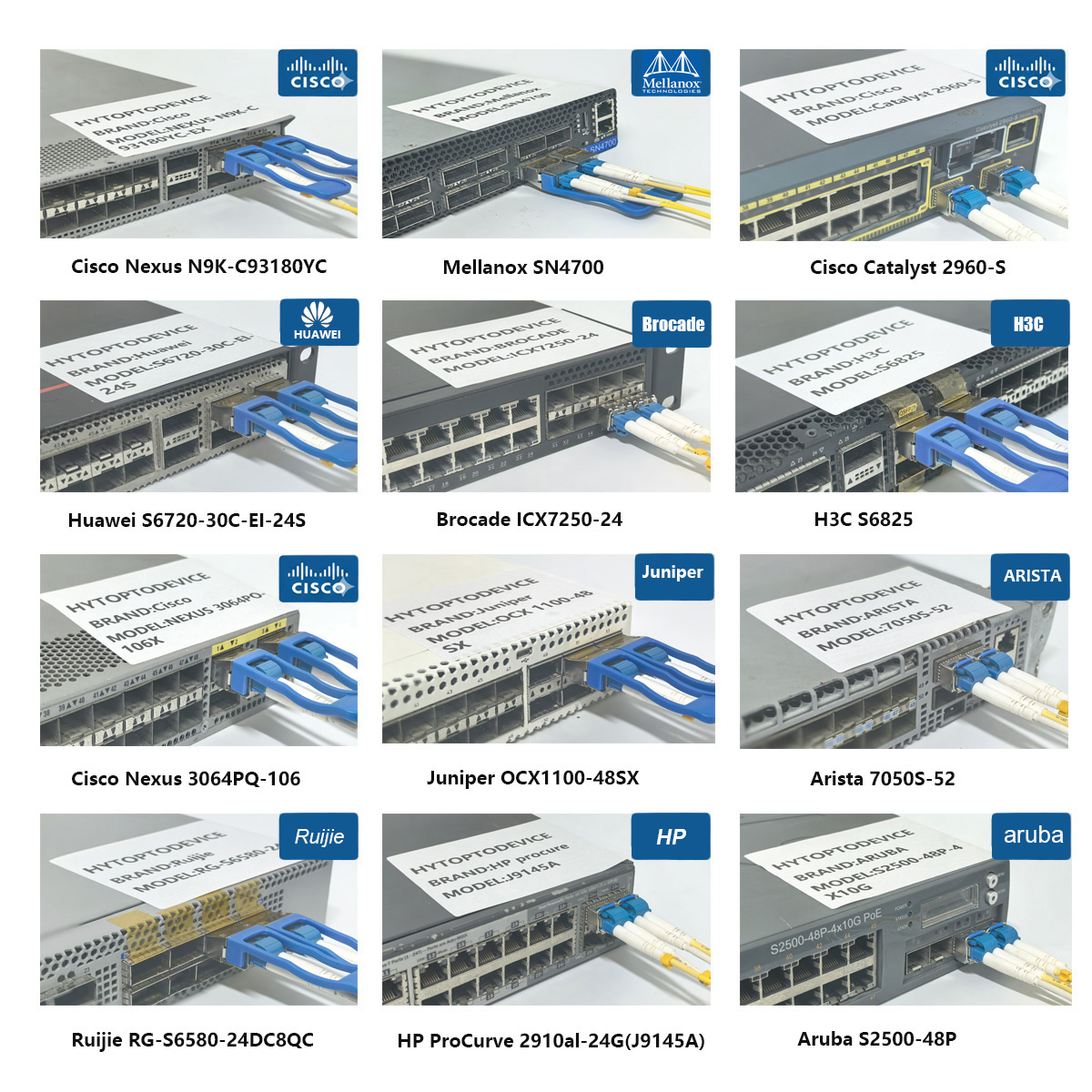
A6: Ordinary generic modules easily trigger non-vendor alarms and port errors, but our HYTOPTODEVICE 100G DR modules avoid this problem completely. We pre-program exclusive Cisco customized EEPROM firmware and pass real-machine verification. It achieves zero-alarm plug-and-play operation on Cisco, Arista, Huawei and other mainstream brand devices.
Q7: What is the actual power consumption of industrial-grade 100G DR QSFP28 transceiver?
A7: Our optimized 100G DR module features ultra-low power design, with total power consumption ≤4.0W. Compared with traditional CWDM4 modules, it greatly reduces data center PUE value and daily operating costs. Low-power chip design also lowers equipment heat generation and extends module service life.
Q8: What causes continuous BER rise and frame loss for 100G DR modules after long-time operation?
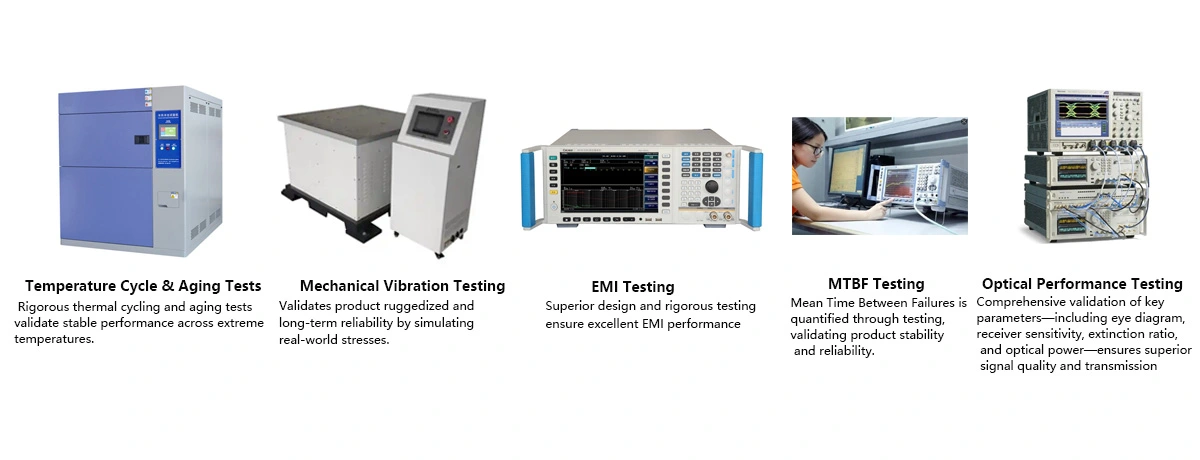
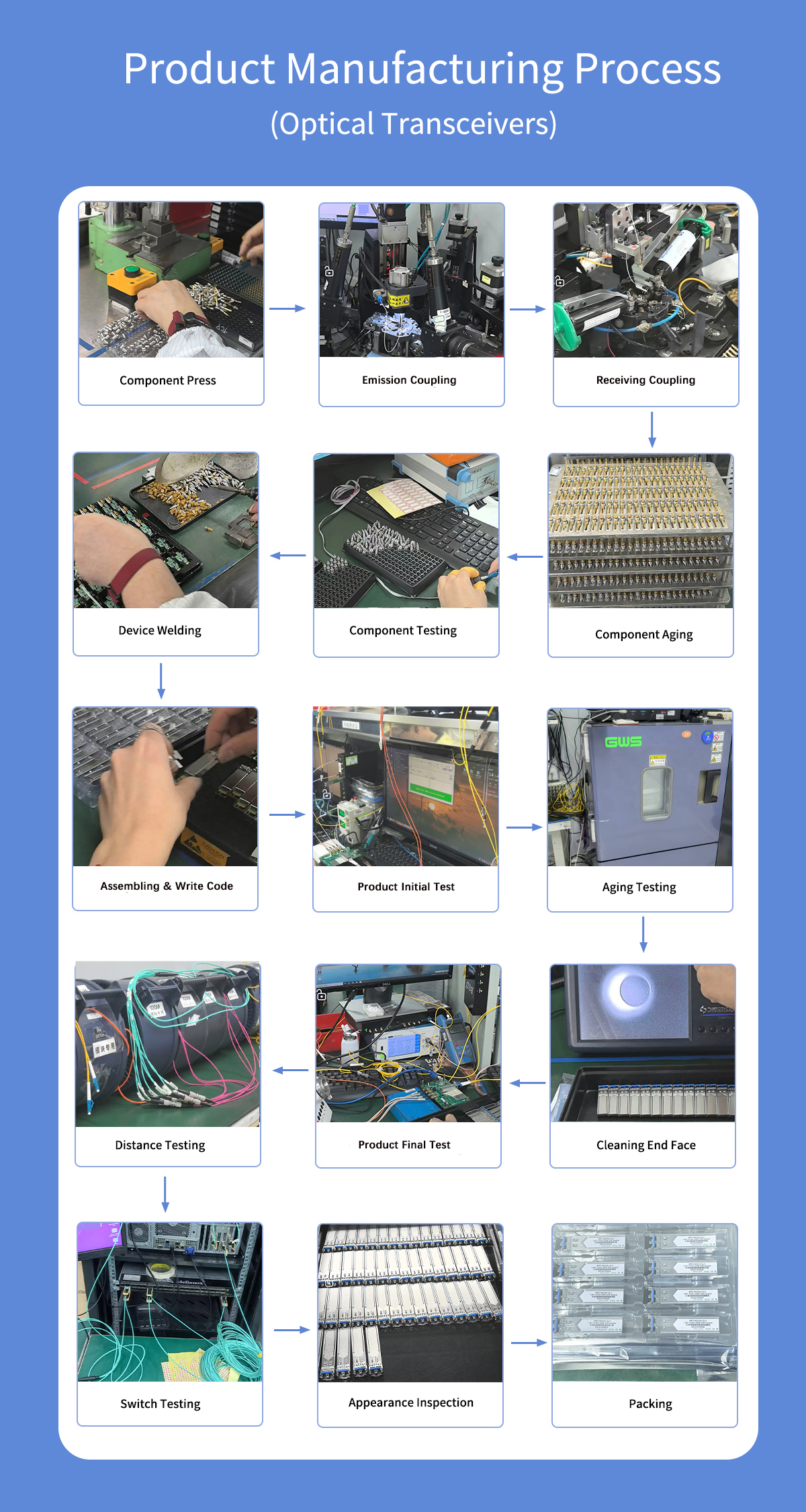
A8: Common causes include dirty fiber end faces, poor cabinet ventilation, unstable port contact and uncalibrated generic chips. Our products avoid these risks via strict factory calibration, 72-hour full-load traffic aging tests and dust-proof and anti-oxidation shell design. It maintains stable low BER and zero frame loss during long-term continuous operation.
Q9: Why do PAM4 100G DR modules have stricter fiber cleanliness requirements?
A9: PAM4 modulation carries double data volume compared with traditional 100G NRZ signals, making it more sensitive to optical signal attenuation and interference. Dust, scratches and stains on fiber end faces will seriously distort PAM4 signals. Our pre-shipment optical inspection and clean packaging effectively avoid signal loss caused by fiber contamination.
Q10: Is compatible 100G DR transceiver more cost-effective than 100G CWDM4?
A10: Absolutely. Our single-lambda 100G DR module simplifies complex multi-channel optical structures of CWDM4 modules. It lowers procurement and maintenance costs with fewer failure points. Meanwhile, it supports 400G DR4 breakout migration, saving massive network upgrade investment, delivering higher overall cost performance.
Q11: How to choose between 100G DR and 100G PSM4 for data center short-reach networking?
A11: For indoor 500m short-reach and 100G-to-400G migration scenarios, 100G DR is the better choice. Unlike PSM4’s multi-fiber dependence, DR uses single-lambda transmission with simpler cabling and stronger compatibility. Our 100G DR modules support multi-brand equipment docking and phased upgrades, making them more suitable for enterprise and cloud data center iterative construction.