Q1: Can HYTOPTODEVICE 10G DWDM SFP 80km Module reliably hit full 80km transmission distance on aged, degraded fiber pipelines?
A1: Our HYTOPTODEVICE 1532.68nm C56 10G DWDM SFP 80km Module is engineered with ample optical power reserve matched to attenuation characteristics of legacy fiber. We simulate various aged cable conditions with splice loss and long-term signal degradation during factory validation. Even on outdated fiber lines with accumulated loss, this module can maintain stable error-free 80km transmission without extra amplification equipment, perfectly fitting renovated metro fiber backbone deployments.
Q2: What is the precise optical power budget margin built into this C56 80km DWDM SFP module?
A2: The 1532.68nm C56 10G DWDM SFP 80km Module features a generous industry-standard power budget margin tailored for 80km single-mode fiber. The overall optical power budget delivers sufficient surplus to offset fiber attenuation, connector loss and splice loss across the full span. Exact numerical power budget values, TX launch power and receive overload thresholds are fully documented in our official product datasheet for client reference during network design.
Q3: How consistent can the module’s central wavelength remain after years of uninterrupted 24/7 continuous operation?
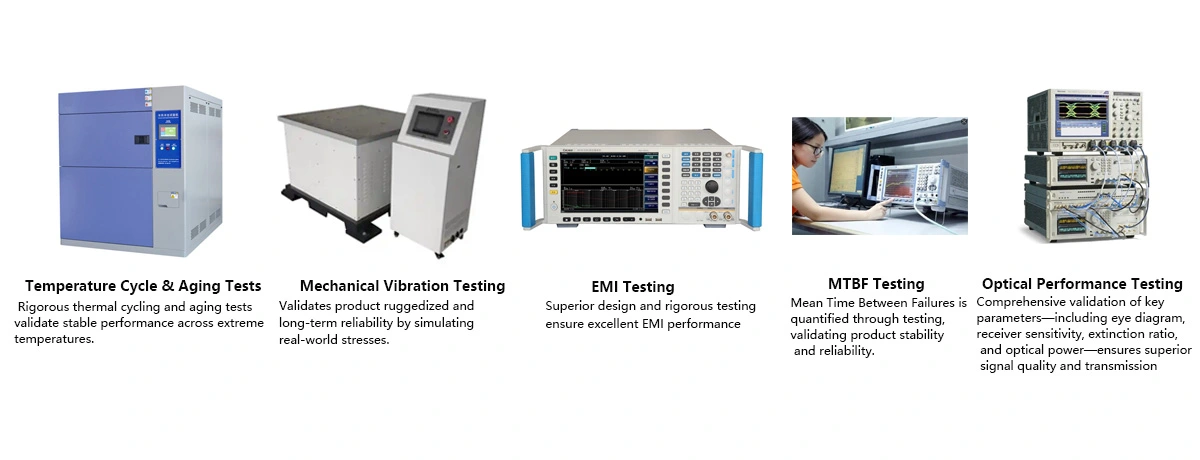
A3: This C56 module is equipped with real-time TEC thermoelectric cooling paired with precision factory wavelength calibration before shipment. The intelligent thermal control system dynamically stabilizes laser operating temperature, drastically limiting central wavelength drift caused by long-term heat buildup and component aging. Long-term reliability testing verifies wavelength deviation stays strictly within ITU-T standard limits to avoid cross-channel crosstalk in multi-channel DWDM rack systems.
Q4: Will mainstream switch operating systems pop up "Unsupported Transceiver" warning alerts when recognizing this third-party 10G DWDM SFP module?
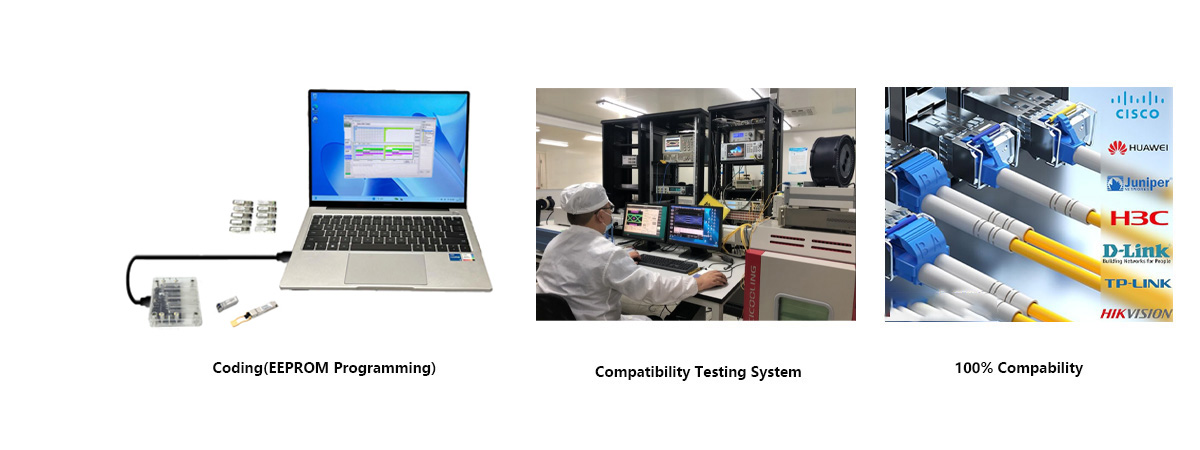
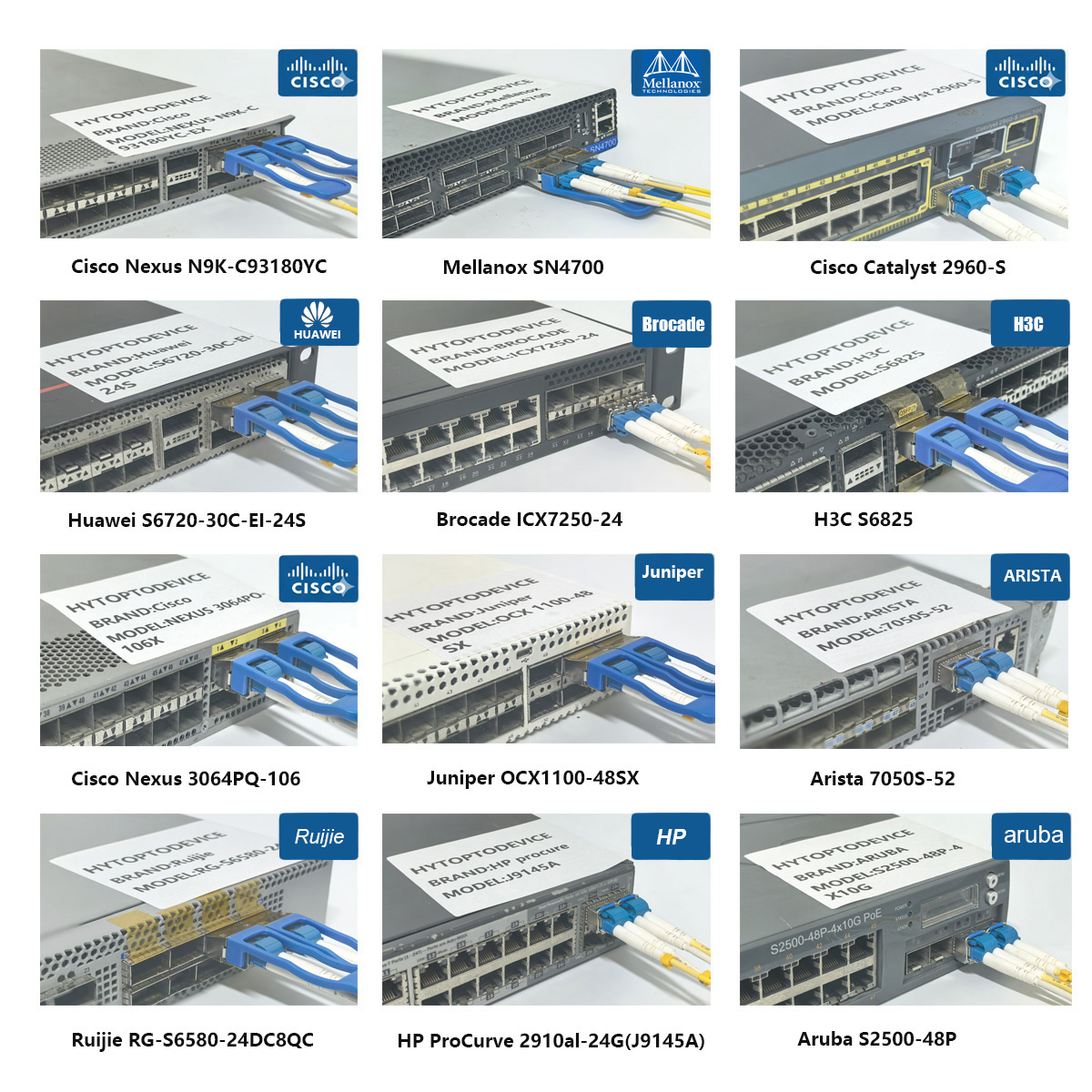
A4: All 1532.68nm C56 modules support free custom EEPROM firmware programming for major switch brands including Cisco, Juniper, Fortinet and more. Our pre-flashed brand identification data enables seamless hardware recognition, completely eliminating unsupported transceiver error notifications on switch OS. No tedious manual CLI configuration adjustments are required on-site after installation.
Q5: How will the operating status of this 10G DWDM SFP 80km Module respond during switch firmware upgrade procedures?
A5: The 1532.68nm C56 module delivers stable hot-swap compatibility and consistent hardware identification logic. While the switch executes firmware updates, the module will temporarily pause data forwarding without unexpected crash or permanent hardware lockup. Once the upgrade process completes, the switch will automatically re-detect the optical module and restore full 10G transmission bandwidth without manual reinsertion.
Q6: Are the LC optical end faces fully safeguarded from dust, fingerprint grease and abrasion during shipment and on-site handling?
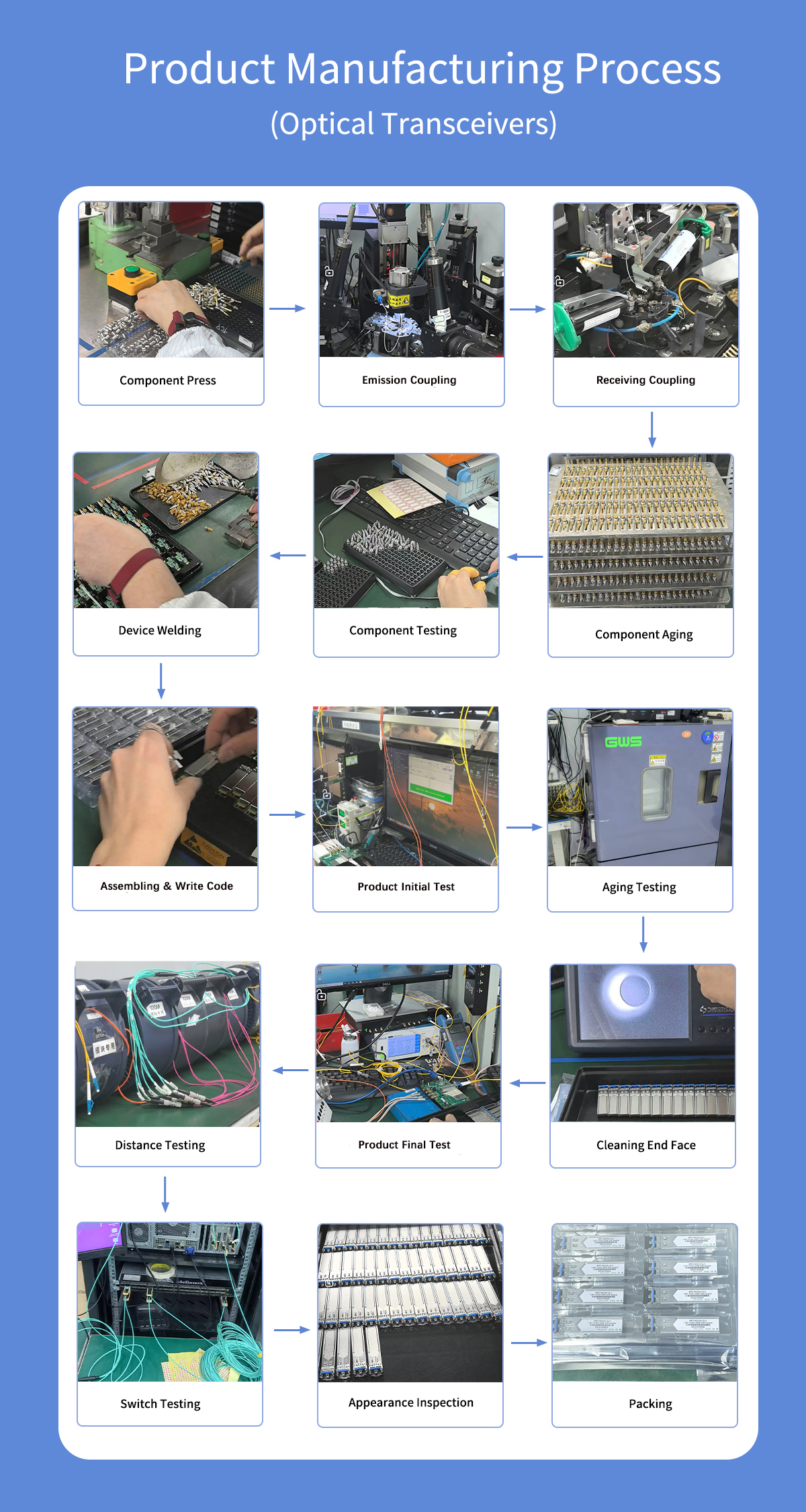
A6: Every HYTOPTODEVICE 1532.68nm C56 module is fitted with tight-fitting dedicated LC dust caps right after assembly. Matched with fully sealed anti-static shockproof individual packaging, optical ports are fully isolated from floating dust and surface scratches during transportation, warehouse storage and field installation, preserving original factory optical performance.
Q7: Is the module’s metal latching buckle mechanism robust enough to withstand frequent repeated plug-and-pull hot swap operations?
A7: The latching component of the 1532.68nm C56 module adopts reinforced high-toughness metal alloy material with optimized structural design. Each unit undergoes thousands of cyclic insertion and extraction durability tests during production inspection. The latch maintains tight locking force without loosening or fracture after long-term frequent hot swapping, preventing loose module seating inside switch slots.
Q8: Are there any hidden extra charges for brand-specific EEPROM coding or dedicated professional reprogramming equipment for this module?
A8: HYTOPTODEVICE provides 100% free custom brand EEPROM adaptation and firmware rewriting services for all bulk orders of the 1532.68nm C56 module. We never charge hidden service fees, equipment rental fees or calibration surcharges for compatibility programming work. Our in-house technical lab owns complete professional reprogramming tools, and all coding adjustments are fully included in the base product price.
Q9: What production lead time can buyers expect for large-volume bulk orders of this C56 DWDM module?
A9: HYTOPTODEVICE maintains stable sufficient raw material stock for the 1532.68nm C56 10G DWDM SFP 80km Module. Standard large batch orders without custom firmware coding have a regular lead time of 7–10 working days. Orders requiring dual-brand reprogramming or special customized packaging take roughly 12–15 working days, and priority production scheduling can be arranged for urgent project orders upon negotiation.
Q10: Does users need to deploy an external optical attenuator for short-distance fiber testing with this 80km DWDM module?
A10: The 1532.68nm C56 long-reach module features relatively high transmit optical power designed for 80km spans. When testing on short fiber runs under 10km, excessive incoming light power may trigger receiver overload and bit error surges. We recommend matching a standard optical attenuator for short-distance lab testing to protect the internal APD receiver chip and guarantee stable signal reception.